BartSimpson BartSimpson:
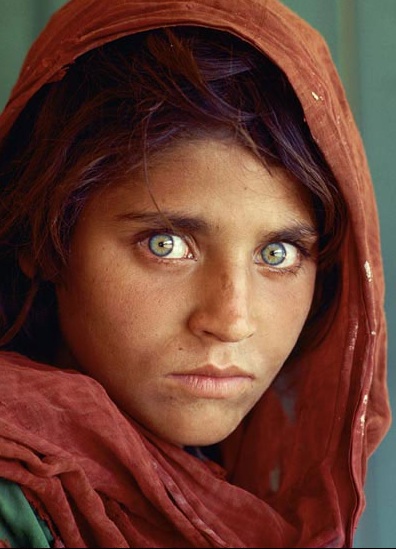
Derby, it's only too sad that Sharbat could not have grown up in Toronto without omnipresent islam.
No. Its only too sad to you. The muslims I meet feel as deeply about their religion as you do about yours.
Meanwhile while you continue your hysterical anti-islamic crusade why don't you address the situation in Rwanda?
http://en.wikipedia.org/wiki/Religion_i ... 4_Genocide$1:
A Human Rights Watch report notes that the leaders of the Roman Catholic Church refrained from condemning the 1994 genocide. Four days after the genocide began, the Catholic church issued a statement asking its followers to support the new government. Similarly, Archbishop Augustin Nshamihigo and Bishop Jonathan Ruhumuliza of the Church of the Province of Rwanda acted as spokespersons for the government in a news conference, blaming the rebel Rwandan Patriotic Front for the genocide. The lack of a clear stance from the leadership resulted in many clergy members continuing to attend local security committee meetings, in their roles as prominent members of the community, despite the work of those committees in organizing the mass killings. It further allowed politicians and propagandists to claim divine inspiration for the genocide; interim president Théodore Sindikubwabo assured listeners in a speech that God would help them against the "enemy".
Many clergy did not protect civilians who sought their help, either out of fear for personal repercussions or out of desire to see them killed. A smaller number actively incited the genocide. These include most prominently Seventh-day Adventist Church pastor Elizaphan Ntakirutimana, who was convicted by the International Criminal Tribunal for Rwanda, and the case of Theophister Mukakibibi and Maria Kisito, Rwandan Roman Catholic nuns sentenced for helping to kill hundreds of Tutsi during Rwandan genocide. Also involved were Roman Catholic priests Wenceslas Munyeshyaka, Athanase Seromba, and Emmanuel Rukundo, all of whom have been convicted of genocide.
At the same time, some individual members of the religious community attempted to protect civilians, sometimes at great risk to themselves. For example, Mgr. Thaddée Ntihinyurwa of Cyangugu preached against the genocide from the pulpit and tried unsuccessfully to rescue three Tutsi religious brothers from an attack, while Sr. Felicitas Niyitegeka of the Auxiliaires de l’Apostolat in Gisenyi smuggled Tutsis across the border into Zaire until she was executed by a militant militia in retaliation.[5]. Through the recently published book "Left to Tell" Immaculee Ilibagiza, a Tutsi woman, describes hiding with seven other Tutsi women in a bathroom in the house of Pastor Murinzi for the majority of the genocide. At the St Paul Pastoral Centre in Kigali, about 2,000 people found refuge and most of them survived due to the efforts of Fr Celestin Hakizimana. This priest 'intervened at every attempt by the militia to abduct or murder' the refugees in his centre and even in the face of powerful opposition he tried to hold off the killers with persuasion or bribes.
Post-genocide conversions
Main article: Islam in Rwanda
Reports indicate the percentage of Muslims in Rwanda has doubled[7] or tripled[8] since the genocide, due to Muslim protection of Tutsis and to Hutus wanting to distance themselves from those who committed genocide. Although the growth of Islam stabilized after a few years, it is still attracting small numbers of converts. Conversion to Evangelical Christianity also spiked after the genocide, while Catholic attendance is down, due at least partially to the participation of some Catholic priests in the genocide
Muslims were protecting innocent people from being killed by christians engaging in genocidal (again) behaviour.
Next time you cry about islam think about that fact.
You might also look at how Rwanda has become a success story and look at the reasons why which include a whole lot of focusing on forgiveness rather then pursuing a policy of retaliation and revenge.
They did it very much on their own to.







 CKA Moderator


 CKA Uber